




Before You Buy the House: What You Need to Know About Starting an Assisted Living Business
Before You Buy the House: What You Need to Know About Starting an Assisted Living Business
Maybe you've been thinking about assisted living for a while.
You've watched the videos. You've done some research. Maybe you've even started looking at properties.
You may have imagined what it would be like to own an assisted living home, create a business, and provide a place where older adults can receive support and connection.
Then you realize something important:
There is a lot more to this business than finding a house and filling it with residents.
The property is important, but it's only one piece of a much bigger puzzle.
Before you invest your time, money, and energy into an assisted living business, it's worth understanding what actually goes into operating one.
The Property Is Only One Piece of the Puzzle
One of the biggest mistakes aspiring assisted living owners can make is becoming focused on the property before understanding the business model.
It's easy to look at a beautiful home and immediately start imagining residents living there.
You might think about how many bedrooms it has, whether the neighborhood is desirable, or how much renovations could cost.
But there's another question that needs to come first:
Can this property support the assisted living business you want to build?
A property that looks perfect may not necessarily meet the requirements applicable to your location or the needs of the residents you intend to serve.
There may be considerations involving licensing, zoning, accessibility, safety, layout, staffing, operations, and other requirements.
That's why learning the business first can help you approach property decisions with a clearer understanding of what you're actually looking for.
Assisted Living Is a Business and a Responsibility
Starting an assisted living home involves much more than preparing a property.
You're creating an environment where older adults may live and receive support with important aspects of their daily lives.
That brings both business responsibilities and human responsibilities.
You need to understand how the business operates while also understanding the experience of the people who will live there.
This means thinking beyond:
"How many residents can I accommodate?"
You also need to think about:
How will residents be welcomed into the home?
What kind of experience will they have?
How will their needs be assessed?
How will staff be trained and supported?
What systems will keep daily operations organized?
How will families communicate with the team?
How will you maintain quality and consistency?
How will you respond when challenges arise?
The goal isn't simply to open the doors.
It's to know what you're doing once they're open.
Licensing and Compliance Matter
Assisted living is a regulated industry, and requirements can vary depending on your state and local jurisdiction.
Before investing in a property or beginning operations, aspiring owners need to understand the applicable licensing, regulatory, safety, and compliance requirements.
This is one area where guessing can become expensive.
A property may look like an excellent opportunity, but if it cannot meet the applicable requirements, you could face significant challenges.
Education gives you an opportunity to identify the questions you need to ask before making major commitments.
Understanding the regulatory side of the business can also help you build your plans around responsible operations rather than trying to make an existing plan fit the rules later.
Staffing Is Another Major Piece
You can't operate an assisted living home without people.
Staff members play an important role in the daily experience of residents, from providing support to maintaining routines and responding to individual needs.
As an owner, you'll need to understand your staffing requirements and develop systems for hiring, scheduling, training, communication, and accountability.
You also need to think about what happens when someone calls out, when resident needs change, or when your business grows.
Staffing isn't simply about filling shifts.
It's about creating a reliable team that can provide consistent support to the people who depend on your business.
Resident Intake and Care Processes
Another area aspiring owners need to understand is what happens when a new resident comes into the community.
Resident intake involves more than completing paperwork.
You need appropriate processes for understanding the individual's needs, preferences, abilities, routines, and other relevant information.
A thoughtful intake process can help the team understand how to support each resident and communicate important information appropriately.
It also helps establish expectations with families from the beginning.
When your processes are organized before residents arrive, you're better prepared to provide a consistent experience once the home is operating.
Marketing Comes Before You Open the Doors
Another common misconception is that marketing begins after an assisted living home opens.
In reality, developing a marketing strategy should be part of your business planning.
You need to understand who you're trying to reach and how families find and evaluate senior care options.
Families may research online, ask friends and professionals for recommendations, visit communities, compare services, and ask many questions before making a decision.
Your business needs a clear way to communicate who you are, what you provide, and why families should consider learning more.
Marketing isn't just about getting residents.
It's about building awareness and trust.
Don't Forget the Financial Side
Then there's the financial picture.
Before investing in an assisted living business, you need to understand the costs associated with getting started and operating the business.
Depending on the model and location, expenses may include:
Property acquisition or leasing
Renovations and improvements
Licensing and professional services
Insurance
Staffing and payroll
Training
Food and supplies
Utilities and maintenance
Marketing
Technology and administrative systems
Ongoing operating expenses
You also need to understand your potential revenue, occupancy considerations, cash flow, and financial goals.
The numbers should be part of the conversation before you commit to the property.
Education Should Come Before the Investment
It's understandable to get excited when you see a property that looks like it could become an assisted living home.
But excitement shouldn't replace education.
Before signing a purchase agreement, making a major renovation investment, or committing months of your life to the business, take time to understand what you're actually getting into.
Learn the business model.
Understand the requirements.
Ask questions.
Talk to people who understand the industry.
Learn about operations.
Understand the financial side.
And most importantly, determine whether this type of business aligns with your goals, resources, and willingness to take on the responsibilities that come with serving older adults.
The goal isn't to discourage you from investing.
The goal is to help you make that investment with your eyes open.
You Don't Have to Have It All Figured Out
If you're still in the research stage, that's actually a good place to be.
You don't need to know everything today.
You need to know what questions to ask and where to find reliable information.
Perhaps you're wondering:
What should I look for in a property?
How much money will I need?
What licenses are required?
How many staff members will I need?
How do I find residents?
What systems need to be in place?
What mistakes should I avoid?
What does the day-to-day operation actually look like?
These are the kinds of questions that can help you move from simply being interested in assisted living to understanding what ownership really involves.
Start With Knowledge
If assisted living ownership has been on your mind, your next step doesn't have to be buying a property.
It can be learning.
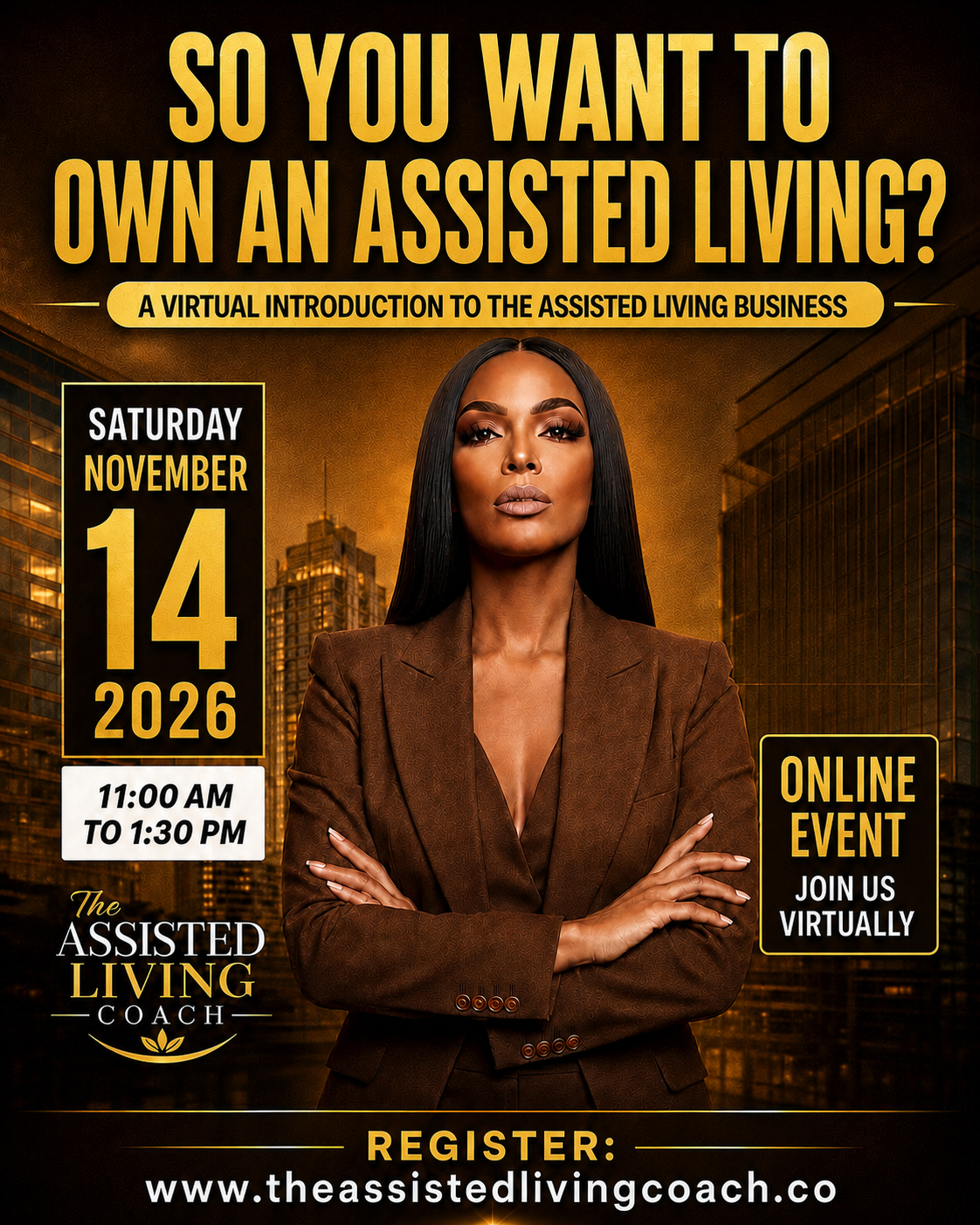
Our upcoming November 14, 2026 event is an opportunity for aspiring assisted living owners to learn more about the business before making their next move.
November 14, 2026
11:00 AM–1:00 PM
Virtual via Zoom
Whether you're just beginning your research or you've already started looking at properties, taking the time to learn can help you approach your next step with greater clarity.
Because sometimes the smartest first step isn't investing.
It's learning.
Ready to Learn More?
If you're considering starting an assisted living business, join us for the November event and take the opportunity to learn more before making a major investment.
Learn More About the November Event:
https://theassistedlivingcoach.co/so-you-want-to-own-an-assisted-living
Your property may be the beginning of the journey.
But knowledge is what helps you know where you're going.
Warmly,
The ALC Academy Team


HEADQUARTERS
Donzella’s Healthcare
& Training Center
110 Painters Mill Road Suite 210
Owings Mills, Maryland 21117


EXPLORE SITE
USEFUL LINKS
© Copyright 2026. The ALC Academy. All Rights Reserved.
Created with Growth Buddy