






Sometimes, What Mom Needs Most Is Company
Sometimes, What Mom Needs Most Is Company
When families think about assisted living, the conversation often begins with practical questions.
Does Mom need help getting dressed?
Can Dad still manage medications on his own?
Is it becoming difficult to keep up with meals, housekeeping, or daily routines?
These questions are important.
But sometimes, there's another question that families don't think to ask:
Is Mom lonely?
Because for many older adults, what they need most isn't simply more help with daily tasks.
Sometimes, they need connection.
When the Little Things Start to Change
A few years ago, a daughter named Linda began noticing small changes in her mom.
Her mom was still relatively independent. She could dress herself, prepare simple meals, and manage many things around the house.
There wasn't one major event that made Linda think something was wrong.
Instead, she noticed the little things.
Her mom wasn't going out as much.
She stopped attending her weekly social group.
She spent more time at home.
And some days, she could go from morning until evening without having a meaningful conversation with anyone.
At first, Linda thought her mom simply needed a little more help around the house.
But eventually, she realized something deeper was happening.
Her mom didn't just need assistance.
She needed connection.
Assisted Living Isn't Just About Assistance
When people hear the words "assisted living," they often think about help with activities of daily living.
And yes, quality care and support are incredibly important.
But assisted living can offer something beyond practical assistance.
It can provide a sense of community.
For an older adult who has gradually become isolated, having people around throughout the day can make an enormous difference.
It can mean:
Someone to share breakfast with.
Someone to say good morning.
An activity to look forward to.
A familiar face in the common room.
A conversation during lunch.
A friend to laugh with.
These moments may seem small.
But small moments of connection can become a meaningful part of someone's daily life.
The Importance of Feeling Connected
As people age, their social circles can naturally become smaller.
Friends may move away.
Loved ones may become busy with work and family responsibilities.
Transportation can become more difficult.
Physical limitations may make it harder to participate in activities outside the home.
Over time, these changes can lead to fewer opportunities for social interaction.
That's why community can become so valuable.
The right assisted living environment can create opportunities for seniors to interact with others without having to plan every outing or coordinate every visit.
Connection can become part of everyday life.
A Community Can Create New Routines
One of the things that can make assisted living meaningful is the opportunity to develop new routines.
Maybe it's having coffee with another resident each morning.
Maybe it's attending an exercise class.
Maybe it's joining a music activity.
Maybe it's sitting with friends during lunch.
Maybe it's simply saying hello to familiar staff members throughout the day.
These routines provide more than something to do.
They can create anticipation, familiarity, and belonging.
For someone who has been spending most of their days alone, having something to look forward to can be incredibly meaningful.
Assisted Living Doesn't Have to Mean Giving Up Independence
Another common concern families have is that moving into assisted living means their loved one will lose their independence.
But independence doesn't always mean living completely alone.
Sometimes, independence means having the right amount of support to continue making choices and participating in the things you enjoy.
A supportive assisted living community can help seniors maintain routines, friendships, hobbies, and personal preferences while providing assistance when it's needed.
The goal isn't to take over someone's life.
It's to help create an environment where they can continue living it.
Peace of Mind for Families Matters Too
The benefits of connection aren't limited to the senior.
Families can experience greater peace of mind knowing their loved one isn't spending every day alone.
Instead of constantly wondering:
"Did Mom eat today?"
"Has she talked to anyone?"
"Is she okay by herself?"
Families can know that their loved one has access to support, social opportunities, and people who are part of their daily environment.
That doesn't replace family connection.
It complements it.
Families can continue visiting, calling, celebrating milestones, and making memories while knowing their loved one also has a community around them.
What Should Families Look For?
If you're beginning to explore assisted living, don't focus only on the physical space.
Pay attention to the atmosphere.
During a tour, ask yourself:
Are residents interacting with one another?
Do staff members greet residents warmly?
Are there activities happening throughout the day?
Do residents appear engaged?
Are there comfortable spaces for conversation?
How does the community encourage friendships?
What opportunities are available for residents to maintain their interests and routines?
And perhaps most importantly:
Can you imagine your loved one feeling comfortable and connected here?
A beautiful building matters.
But the people and relationships inside it matter just as much.
Sometimes, What Mom Needs Most Is Company
Linda initially thought her mom needed more help around the house.
What she eventually recognized was that her mom needed something that can't always be measured by a checklist.
She needed people.
She needed conversation.
She needed activities.
She needed familiar faces.
She needed a reason to get up and look forward to the day.
And sometimes, that's exactly what a supportive assisted living community can provide.
Assisted living isn't simply about helping seniors with what they can no longer do.
It's also about creating opportunities for them to continue doing what makes life meaningful.
Friendships.
Laughter.
Purpose.
Routine.
Connection.
And community.
Start With a Conversation
If you're beginning to wonder whether assisted living might be right for you or someone you love, you don't have to make a decision all at once.
Start with a conversation.
Ask questions.
Visit communities.
Talk with staff.
Spend time observing daily life.
And look beyond the services list to understand what life in the community actually feels like.
Because the right environment can provide more than care.
It can provide connection, companionship, support, and peace of mind.
Ready to see what community life can look like?
Schedule a tour and experience the community for yourself.
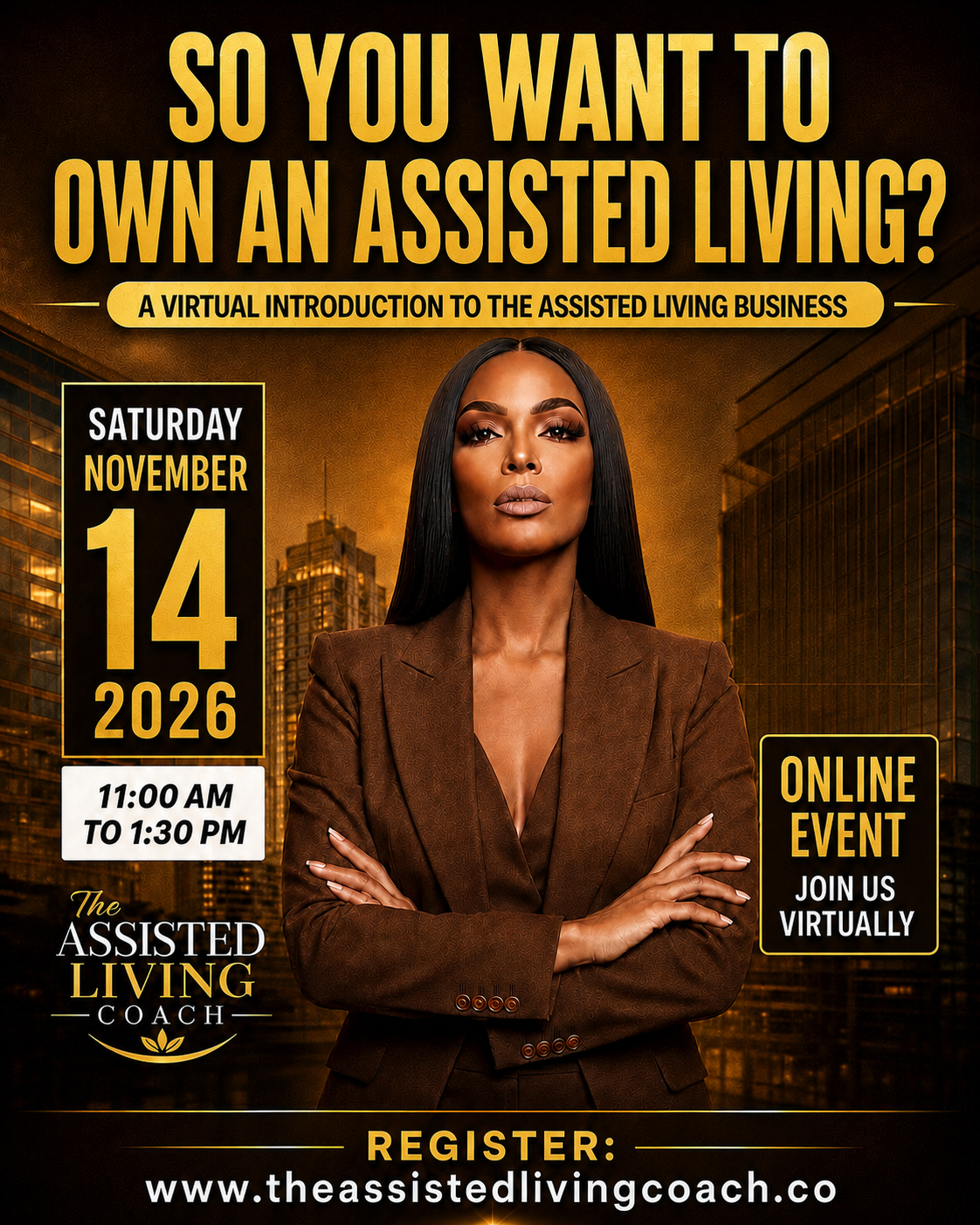
View Upcoming ALC Academy Events
See events: https://www.theassistedlivingcoach.co/alc-events


HEADQUARTERS
Donzella’s Healthcare
& Training Center
110 Painters Mill Road Suite 210
Owings Mills, Maryland 21117


EXPLORE SITE
USEFUL LINKS
© Copyright 2026. The ALC Academy. All Rights Reserved.
Created with Growth Buddy